Source Anti Slip Cotton Lining Slip On Shoes for Travel, Work, and Daily Wear
Source anti slip cotton lining slip on shoes from 30 verified listings. Compare features like vegan materials, odor resistance, and customization options for men's and women's casual footwear needs.
Key considerations
Products List


Comprehensive Sourcing Guide
Anti Slip Cotton Lining Slip On Shoes Sourcing Guide
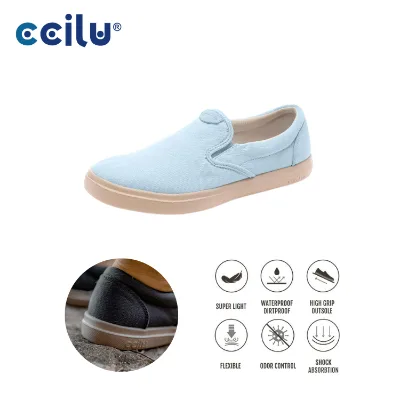
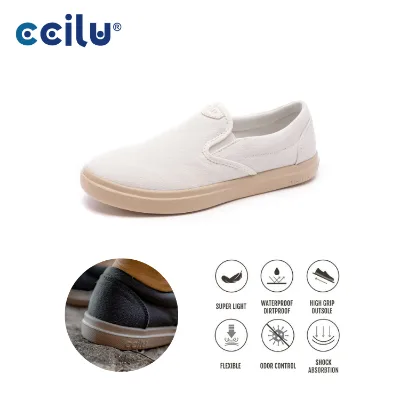
The market for anti-slip cotton lining slip-on shoes presents a distinct opportunity for buyers seeking comfort-driven footwear with specific functional attributes. Based on observed listings, these products frequently feature cotton fabric linings paired with breathable mesh or canvas uppers, catering to casual and barefoot-style applications. The design philosophy often emphasizes a closed-toe, slip-on construction that prioritizes ease of wear while maintaining structural integrity through materials like EVA or coffee compound outsoles. Buyers should note that while some listings highlight "anti-slip" features, the actual performance depends heavily on the specific rubber or EVA compound used in the outsole, which varies significantly between suppliers.
Procurement strategies for this category must account for the diverse material compositions found in current listings, ranging from recycled PET yarn linings to traditional cotton fabrics. The observed product range includes models designed for all four seasons, suggesting that the "anti-slip" and "breathable" claims are intended to function across varying environmental conditions. However, the presence of both "waterproof" and "not waterproof" attributes in the data indicates that buyers cannot assume universal water resistance. It is critical to verify the specific lining material and outsole compound for each order, as the combination of cotton lining with water-repellent or quick-dry features requires precise manufacturing control to ensure the product meets the intended seasonal performance standards.
Product Scope and Observed Listing Signals
Buyers entering this market will encounter a wide spectrum of product definitions, from standard casual shoes to specialized barefoot footwear, all sharing the common thread of slip-on convenience. The observed data reveals that "anti-slip" is a frequently cited feature alongside attributes like "light weight," "quick dry," and "anti-odor," which are particularly relevant for the cotton lining variants. These signals suggest a product scope that targets active, everyday wear where foot hygiene and comfort are paramount. The availability of customization for colors, logos, and US sizes (ranging from 7 to 11.5) indicates that suppliers are prepared to support private label and co-branding initiatives, allowing buyers to tailor the product to specific demographic needs.
The commercial signals in the listings also highlight significant variability in minimum order quantities (MOQ) and packaging standards, which directly impacts procurement planning. While some suppliers offer low MOQs starting at a single unit, others require orders up to 5,000 units, reflecting a split between sample-friendly vendors and large-scale manufacturers. Packaging is another critical variable, with observed options including recycled cardboard boxes, standard polybags, and custom boxes, all of which must align with the buyer's sustainability goals and logistics requirements. The presence of "coffee yarn" and "recycled plastic bottle" materials in some listings points to a growing segment of eco-conscious products, but buyers must verify these claims against the specific item specifications rather than assuming all cotton lining shoes possess these sustainable attributes.
Technical Specifications to Verify
When evaluating the technical integrity of anti-slip cotton lining slip-on shoes, the primary focus must be on the outsole material and its interaction with the upper construction. The observed listings cite EVA, coffee compound, and rubber as common outsole materials, each offering different levels of grip and durability. Buyers should specifically request test data or physical samples to confirm the "anti-slip" performance, as the term is used broadly across the market without a universal standard. The insole material is equally critical, with observations ranging from coffee PU foam to PVC and rubber; the choice here dictates the shoe's cushioning, breathability, and long-term shape retention, directly influencing the comfort of the cotton lining.
The structural specifications of the upper and lining materials require rigorous verification to ensure they meet the intended use case. While cotton fabric is a common lining choice for breathability, some listings also feature PU or recycled yarn linings, which may offer different moisture-wicking properties. Buyers must confirm the upper material, whether it is mesh, canvas, or fabric, and ensure it is compatible with the cotton lining to prevent delamination or excessive wear. Additionally, the toe style is consistently observed as "closed toe" with a "round" shape, but the specific sizing standards (ranging from US 7 to 47) must be cross-referenced with the target market's sizing conventions to avoid fit issues. The "single volume" and "gross weight" data often appearing as zero in listings necessitates a direct request for actual dimensional and weight specifications to calculate accurate shipping costs.
Compliance and Safety Documentation
Navigating the compliance landscape for cotton lining slip-on shoes requires a clear understanding of the sustainability and safety certifications that may be relevant to the buyer's market. The observed data includes references to GRS (Global Recycled Standard), B-Corp, and PETA approval for vegan products, which are significant selling points for brands targeting eco-conscious consumers. However, these certifications are not universal across all listings; a buyer must verify that the specific supplier and product batch hold the claimed certifications before committing to an order. The presence of "100% vegan" claims alongside cotton and synthetic blends requires careful scrutiny to ensure no animal-derived glues or adhesives were used in the assembly process.
Safety documentation should also address the functional claims of "anti-slip" and "anti-odor" properties, which often rely on specific chemical treatments or material compositions. While the listings mention features like "anti-UV" and "dirt proof," these are performance claims that should be backed by laboratory test results rather than marketing assertions. Buyers should request material safety data sheets (MSDS) for any treated fabrics or compounds, particularly if the shoes are intended for children or sensitive skin applications. Although ISO 20345:2011 is mentioned in background contexts, it is a standard for safety footwear and may not apply to casual slip-ons; therefore, buyers should focus on verifying the specific slip-resistance ratings and chemical compliance relevant to the intended region of sale.
Cost Drivers and Commercial Terms
The pricing structure for anti-slip cotton lining slip-on shoes is influenced by a complex mix of material costs, customization levels, and order volume. The observed price range of $2 to $14.5 USD reflects the vast difference between basic fabric models and those incorporating premium materials like coffee yarn or recycled PET. Buyers should anticipate that the inclusion of sustainable materials, such as recycled cardboard packaging or GRS-certified components, will push the unit cost toward the higher end of the spectrum. Conversely, standard cotton and canvas models with minimal customization may remain at the lower price points, but these often come with higher MOQs or longer lead times.
Commercial terms regarding customization and branding are central to the cost dynamics of this product category. The availability of OBM, ODM, and OEM services allows for significant flexibility, but each level of service carries different cost implications. Customizing the logo, color, and US size specifications adds to the production complexity and may increase the unit price, especially for smaller order quantities. The "single item" selling unit suggests that some suppliers are willing to sell samples or small batches, but buyers must clarify whether the quoted price includes tooling fees or if these are amortized over larger production runs. Understanding the relationship between the MOQ and the unit price is essential for budgeting, as the cost per unit typically decreases as the order volume increases from the minimum threshold.
Supplier Qualification and Quality Control
Selecting a supplier for cotton lining slip-on shoes requires a thorough vetting process that goes beyond the basic product listings. The observed data indicates that many suppliers are located in China, with specific mentions of Quanzhou as a production hub, a region known for its footwear manufacturing capabilities. Buyers should verify the supplier's capacity to handle the specific customization requests, such as co-branding options and unique size runs, by reviewing their past production records and client references. The ability to provide samples that match the exact specifications of the final order is a critical indicator of a supplier's reliability and attention to detail.
Quality control protocols must be established early in the procurement process to ensure consistency in the "anti-slip" and "breathable" features. Given the variability in materials observed, such as the mix of cotton, PU, and recycled yarns, a robust inspection plan is necessary to prevent defects like uneven stitching, lining separation, or inconsistent outsole grip. Buyers should implement a pre-shipment inspection that specifically tests the slip-resistance of the outsole and the durability of the cotton lining under simulated wear conditions. Additionally, verifying the supplier's adherence to the claimed sustainability standards, such as GRS or B-Corp, through third-party audits or certificate validation is essential to maintain brand integrity and avoid greenwashing risks.
Long-Term Procurement Checks
Sustaining a successful supply chain for anti-slip cotton lining slip-on shoes involves continuous monitoring of material availability and production consistency. The market trends toward sustainable materials like coffee yarn and recycled plastics suggest that long-term contracts should include clauses for material substitution or price adjustments based on raw material market fluctuations. Buyers should maintain open communication with suppliers regarding the sourcing of these specialized materials to ensure that the supply chain remains resilient against disruptions. Regular audits of the supplier's production lines can help identify potential bottlenecks or quality drifts before they impact the final product delivery.
Strategic planning for future orders should also consider the evolving regulatory landscape and consumer preferences regarding sustainability and safety. As the demand for vegan and eco-friendly footwear grows, buyers should proactively update their specifications to align with emerging standards and certifications. This includes staying informed about changes in chemical regulations that might affect the "anti-odor" or "water repellent" treatments used in the shoes. By maintaining a flexible procurement strategy that allows for rapid adaptation to new material technologies and compliance requirements, buyers can ensure their product line remains competitive and relevant in the long term.
FAQs
What materials are used for the lining and insole?
The shoes feature a cotton fabric lining for comfort and breathability. The insole is made from rubber to provide cushioning and support. Some models also utilize coffee yarn or PU materials for specialized odor control and sustainability, ensuring a comfortable fit for various foot types and seasonal needs.
Are these shoes waterproof or water repellent?
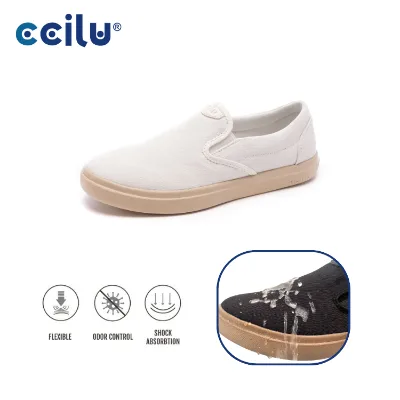
These shoes are not waterproof, but they offer water repellent properties to handle light moisture. They are designed as casual or barefoot slip-ons with features like quick dry and anti-slip outsoles. Buyers should note that while they resist light rain, they are not intended for heavy wet conditions or submersion.
Can I customize the logo and packaging?
Yes, customization is available for logos and packaging. Buyers can opt for co-branding options or customized logos on the footwear. The packaging typically uses recycled cardboard boxes or polybags, aligning with sustainability goals. This service supports OEM, ODM, and OBM requirements for distinct brand identity and eco-friendly presentation.
What sizes are available for these slip-on shoes?
Available US sizes range from 7 to 11.5, covering men's and unisex options. Some models offer a broader range from 36 to 47. Customization for US sizes is also available to meet specific market demands. The shoes are designed with a closed toe and round toe style for versatile casual wear.
What is the minimum order quantity for these shoes?
The minimum order quantity starts at 1 piece, allowing for sample testing or small batch orders. Higher volumes can reach up to 5000 pieces depending on the supplier and customization level. This flexible MOQ supports both small businesses and large-scale procurement needs for casual, breathable, and anti-slip footwear.
Are these shoes suitable for summer and winter use?
Yes, these shoes are designed for all seasons including summer, winter, spring, and autumn. The breathable mesh or canvas upper ensures comfort in warm weather, while the durable construction supports colder conditions. Features like anti-odor and quick dry enhance usability across different climates and activities throughout the year.